How to use this list of questions to ask the interviewer
- Say who you are meeting. A recruiter, a hiring manager, a future teammate and an executive each know different things, so each gets different questions.
- Pick a goal, or leave it open. Find out about the role, the team, growth, culture, or the next steps.
- Build a short list. Tick the questions that sound like you, or press “Pick 3 for me” for one question about the role, one about the people and one about next steps.
- Say them out loud once. Press “Read my list aloud”, then ask each one yourself. A question you have said before comes out naturally on the day.
The questions were written by hand; there is no AI behind this page, nothing is saved and nothing is sent.
Questions to ask at the end of an interview: how many and when
When the interviewer asks “Do you have any questions for us?”, answering “No, I think you covered everything” is a missed chance. Prepare three to five, expect to ask two or three, and drop any that were already answered during the conversation. If time is short, ask one good question and one about next steps.
The best questions build on something said in the interview. “You mentioned the team is moving to a new reporting tool. How is that going?” beats any question you could have copied from a list, because it shows you listened. Use the list as a starting point, then adapt it as you go.
Questions to ask the hiring manager
The hiring manager decides, and you would work for them every day. Ask about what success looks like and how they manage:
- What would you want me to have achieved in the first 90 days?
- How would you describe your management style?
- What is the most important problem you hope this hire will solve?
- Is there anything in my background that makes you hesitate about my fit for this role?
The last one feels risky, but it gives you a final chance to answer a doubt while you are still in the room. Ask it calmly, listen to the full answer, and respond with one specific example.
Questions to ask a recruiter
A recruiter runs the process. They know the timeline, the stages and often the salary range, and they want you to do well in the next round. Use the first call to remove surprises: how many rounds there are and who you will meet, whether the role is remote, hybrid or on site, the budgeted salary range, and what the hiring manager most hopes to find. If you are preparing for that first call, our guide to phone and video interviews covers what recruiters usually ask.
Questions for future teammates and executives
Peers tell you what the job is really like. Ask about their own experience: “What did you learn in your first year here?” or “What is one thing new hires usually get wrong?” Executives in a final round think about strategy, so ask about the company’s biggest challenge, its priorities this year and how your role contributes to them. Keep it short: senior interviewers often have the least time.
Good questions to ask in an interview, and ones to avoid
A good question is specific, open, and something you genuinely want to know. Avoid these:
- Anything the website answers. “What does the company do?” tells them you did not prepare.
- Pay, holidays and perks in the first interview with the hiring manager. Ask the recruiter instead, or wait for the offer stage.
- “Did I get the job?” It puts the interviewer on the spot. “What are the next steps?” gets you the same information.
- Yes-or-no questions. “Is there room to grow?” gets “yes”. “Where have people in this role gone next?” gets an answer.
- Negative or personal questions. Gossip about a former employee, or questions about the interviewer’s private life, leave a poor impression.
- Five questions in a row. Watch the clock and the interviewer’s energy; two good questions beat five rushed ones.
After the interview
Write down the answers you got the same day: they help you decide, and they give you a detail to mention in your thank-you note. The thank-you email generator turns one of those details into a short email. If you have not heard back by the date they gave you, the follow-up email generator writes a polite nudge.
Keep practising
Frequently asked questions
How many questions should I ask the interviewer?
Prepare three to five and expect to ask two or three. Drop any question that was already answered during the interview, and keep one about next steps for the end.
What is the best question to ask at the end of an interview?
There is no single best one, but “What would you want me to have achieved in the first 90 days?” works with most hiring managers: it shows you are already thinking about doing the job, and the answer tells you what success means to them.
Is it bad to have no questions for the interviewer?
It is a missed chance rather than a disaster, but it can read as low interest. If everything really was covered, say so and ask about next steps, or ask the interviewer what they enjoy most about working there.
Can I ask about salary in an interview?
Ask the recruiter, ideally in the first call: “What is the budgeted salary range for this role?” is a normal question. With the hiring manager, it is usually better to wait until they raise it or until there is an offer.
Should I bring my questions written down?
Yes. Writing them in a notebook or on a page is normal and shows preparation. Glance at them; do not read them word for word.
Are these questions generated by AI?
No. They were written by hand and grouped by who you are meeting and what you want to learn. The tool runs in your browser with no account, and nothing you tick is saved or sent.
What is Readyo?
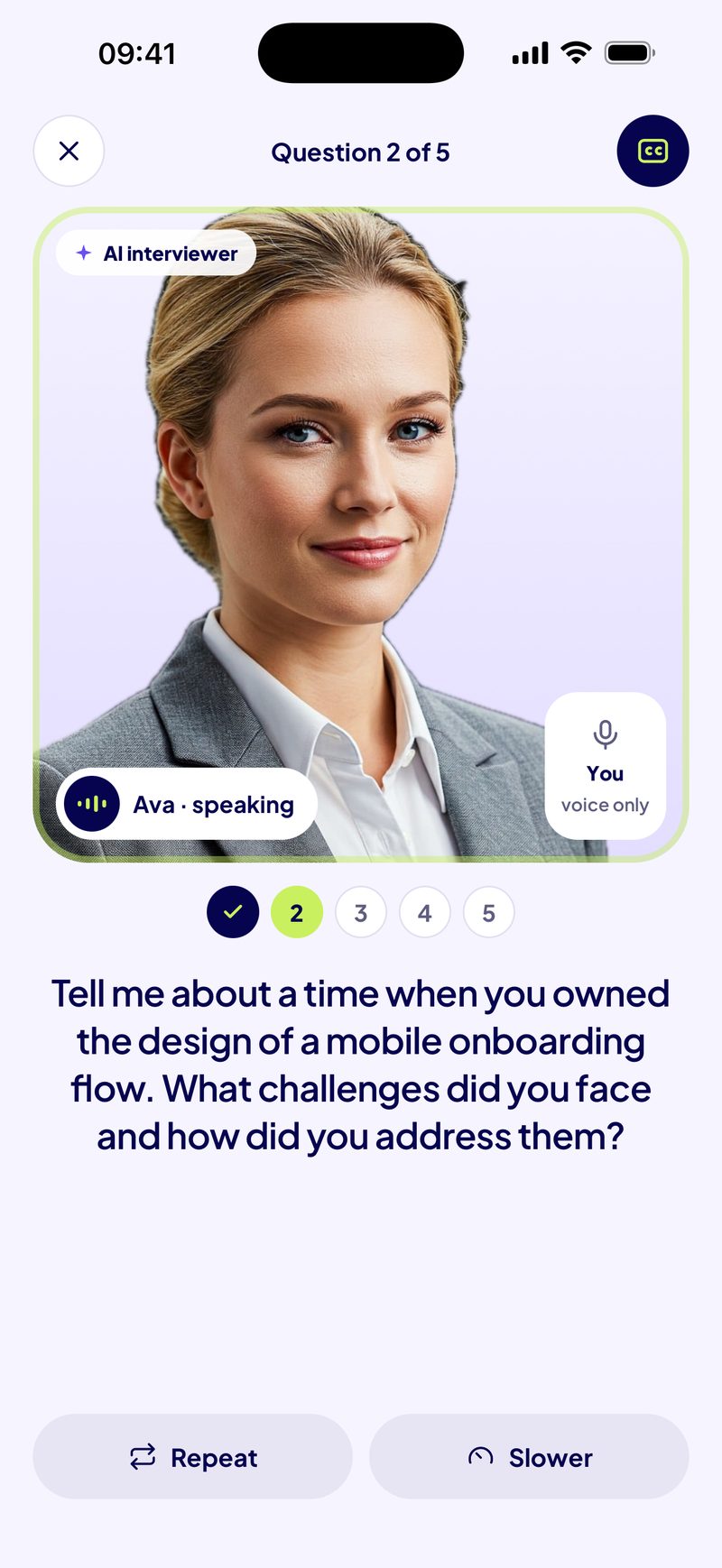
Readyo is an iPhone app for interview practice: an AI interviewer asks questions out loud, you answer by voice, and you get a scored report with a better version of each answer. It is free to download and interviews are paid in the app. This web tool is free.